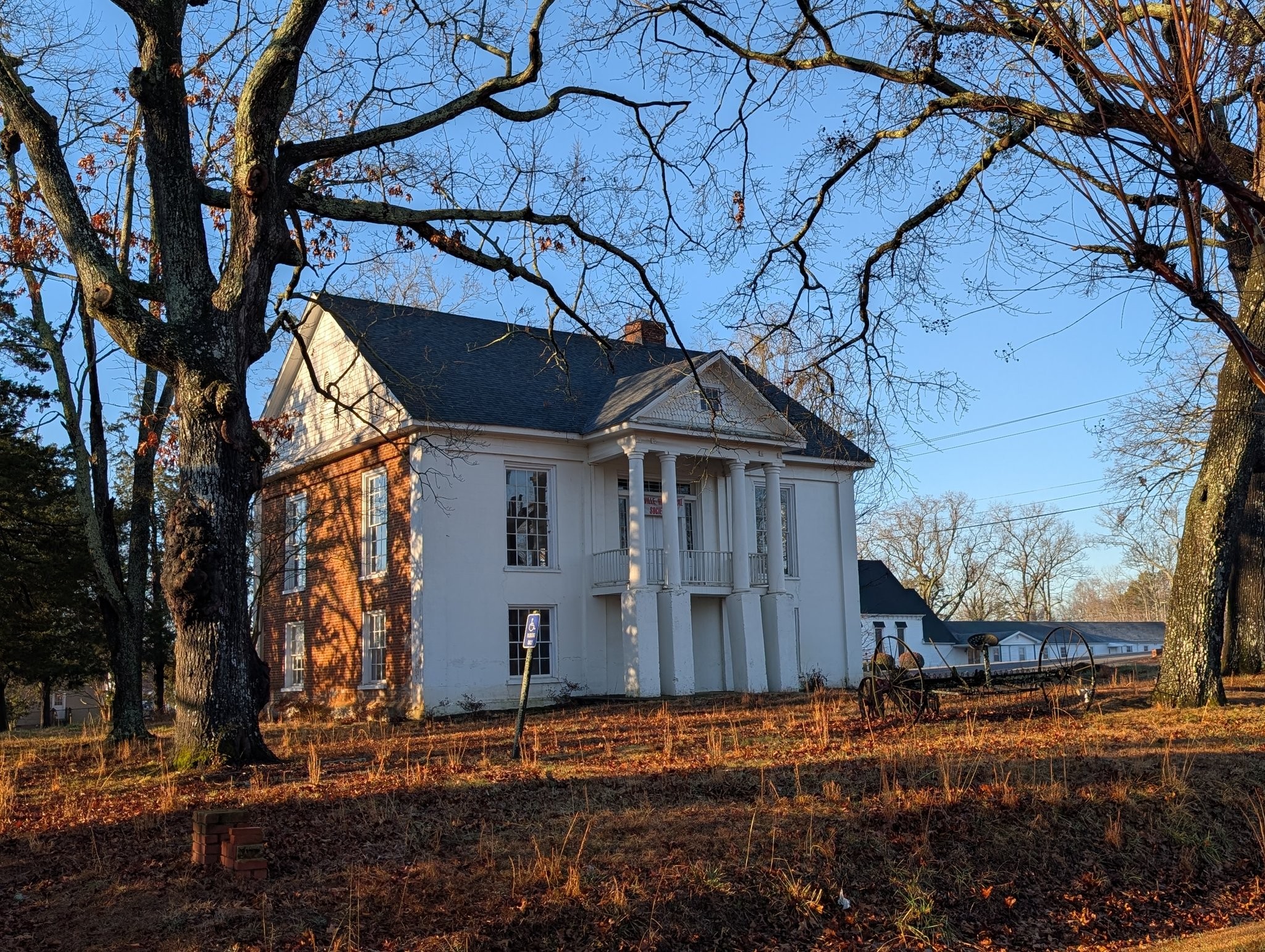
Reidville Academy Faculty House
Constructed in the late nineteenth century, the Reidville Academy Faculty House stands as a tangible reminder of the town’s early commitment to education and intellectual development. Closely associated with Reidville Academy one of the community’s most significant early educational institutions the house was built to provide residence for academy faculty, reinforcing the importance placed on attracting and retaining skilled educators during a formative period in the town’s growth.
Reidville Academy itself played a central role in shaping the cultural and social life of the community, offering advanced instruction to students from Reidville and surrounding rural areas. The faculty house symbolized both stability and respect for education, providing teachers with comfortable accommodations near the campus and fostering close relationships between instructors, students, and families. This proximity helped create a close-knit academic environment that extended learning beyond the classroom and into daily life.
Architecturally, the Faculty House reflects the modest yet refined domestic styles common to the late nineteenth century in South Carolina’s Upcountry. Its balanced proportions, simple decorative details, and practical layout embodied the values of functionality, respectability, and permanence. The home was designed not only as a dwelling, but also as a space for study, lesson preparation, and quiet reflection, supporting the academic mission of the institution it served.
Throughout its history, the Reidville Academy Faculty House witnessed generations of educators shaping young minds during an era when formal education was increasingly viewed as essential to personal advancement and community progress. As public school systems expanded and educational models evolved, the academy eventually closed, but the faculty residence endured as a physical link to this important chapter in Reidville’s past.
Today, the Reidville Academy Faculty House stands as a lasting symbol of the town’s early dedication to learning, cultural development, and civic pride. Its preservation honors the educators who lived and worked there and preserves the memory of an institution that helped lay the foundation for education in the region, reflecting the enduring belief that knowledge and instruction are cornerstones of a thriving community.