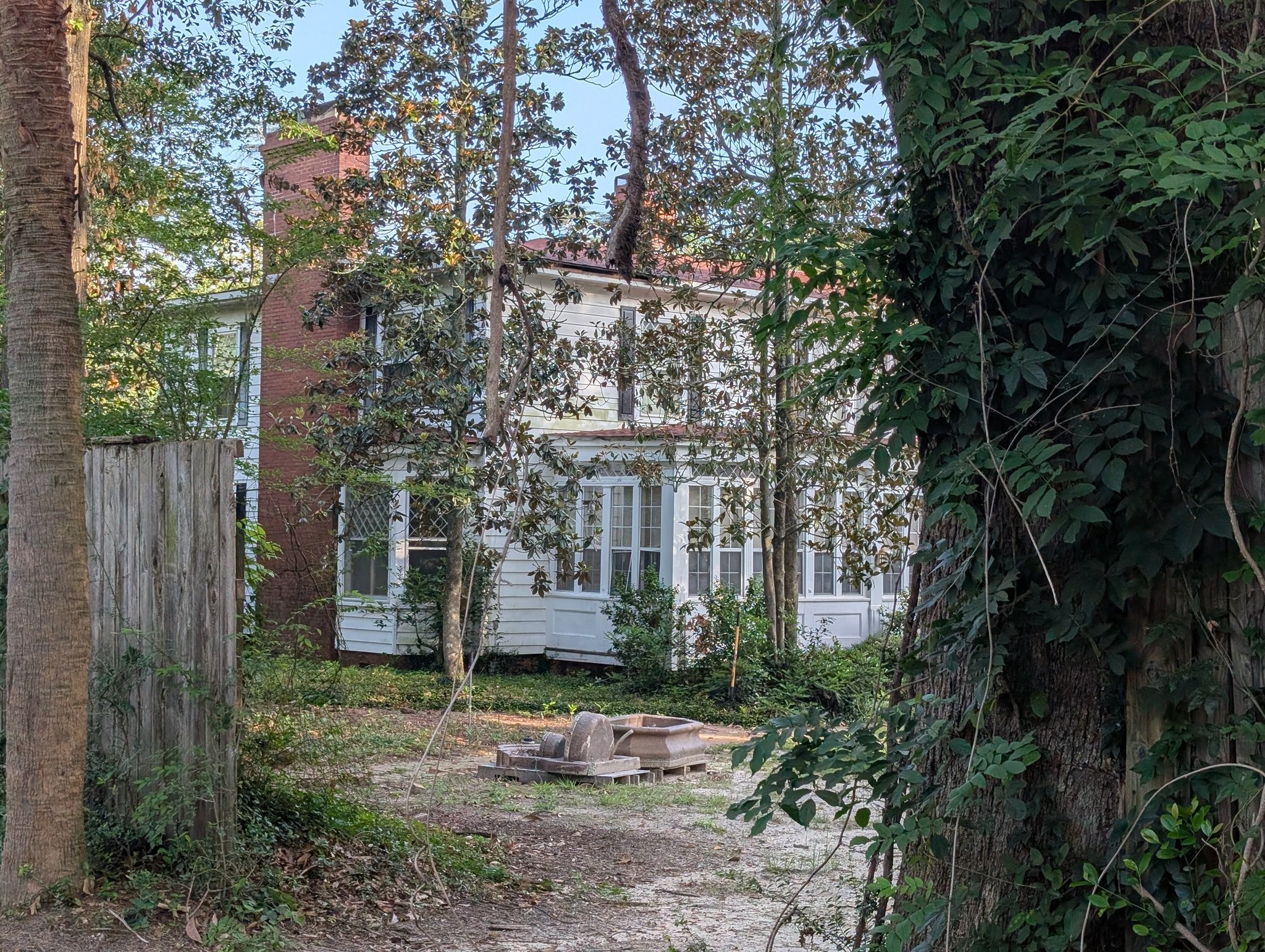
Red Top ca 1930
Constructed circa 1930 during the closing years of Aiken’s celebrated Winter Colony era, Red Top stands as a distinguished example of the refined estate architecture and equestrian culture that defined the city during the early twentieth century. Situated within Aiken’s historic Horse District amid towering pines and expansive grounds, the residence reflects the elegance, informality, and sporting traditions that attracted wealthy seasonal residents from the Northeast and transformed Aiken into one of America’s foremost winter resort communities.
The name Red Top evokes the distinctive character of many Winter Colony estates, which often adopted evocative names inspired by landscape features, architectural details, or family traditions. Like its neighboring cottages and estates, Red Top was designed not simply as a residence but as part of a larger lifestyle centered on outdoor recreation, horses, and social activity. The property’s setting among sandy roads, riding paths, and manicured grounds embodied the carefully cultivated atmosphere that distinguished Aiken from other resort communities of the period.
Architecturally, Red Top likely reflected the Colonial Revival and informal country house traditions favored by Winter Colony residents during the late 1920s and early 1930s. Such homes emphasized balanced proportions, comfortable interior spaces, broad porches, and a close relationship with the surrounding landscape. Traditional materials, understated detailing, and careful craftsmanship conveyed sophistication without excessive ornamentation, creating residences equally suited for entertaining guests or enjoying the quieter rhythms of winter life in the South.
The estate’s location within Aiken’s equestrian landscape provided immediate access to polo fields, fox hunting country, training tracks, and the extensive network of riding trails that formed the heart of Winter Colony society. Residents of properties such as Red Top participated in a vibrant social calendar of horse shows, hunts, polo matches, and gatherings that established Aiken’s national reputation as the “Horse Capital of the South.” The house therefore represents not only an architectural resource but also a physical reminder of the sporting traditions and seasonal culture that shaped the city during its most celebrated period of growth.
Today, Red Top remains an important contributor to the historic character of Aiken’s Winter Colony district and continues to illustrate the enduring legacy of the community’s equestrian heritage and distinctive residential architecture.