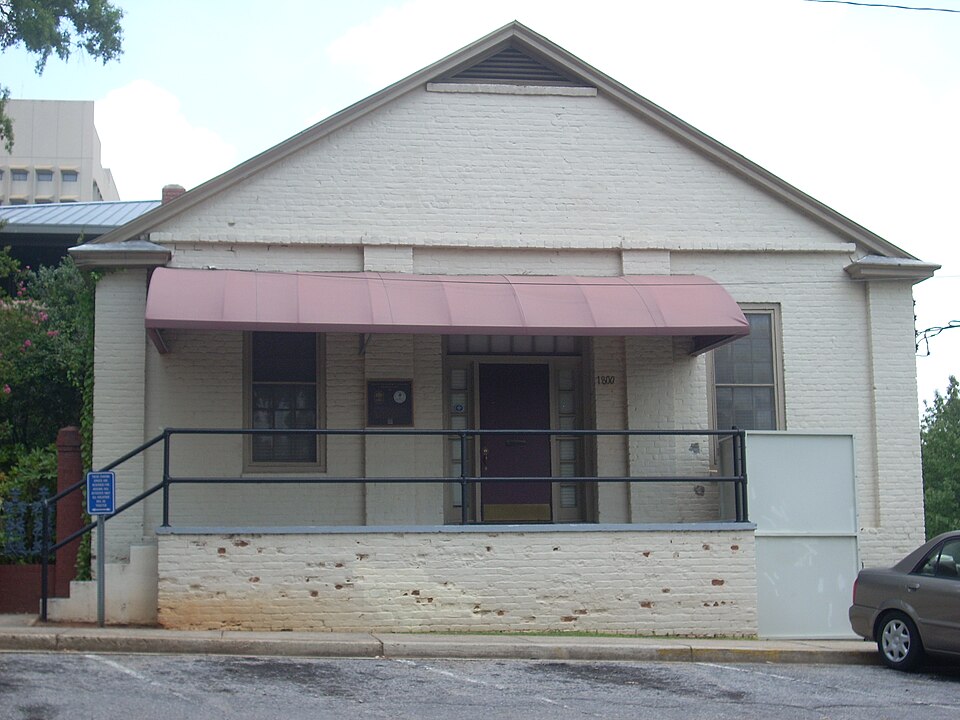
Palmetto Iron Works and Armory ca 1850
The Palmetto Iron Works and Armory, established in Columbia around 1850, represents an important chapter in South Carolina’s industrial, military, and economic history. Developed during a period when the state was seeking to strengthen its manufacturing capabilities and reduce dependence on imported machinery and finished goods, the works reflected Columbia’s growing importance as a commercial and transportation center. The enterprise is particularly significant for its connection to the state’s antebellum industrial development and to the manufacture and repair of iron goods, machinery, and military equipment.
The establishment of the iron works was part of a broader movement toward industrialization in the South during the mid-nineteenth century. Columbia’s position on the Congaree River, together with its developing railroad connections, provided advantages for the movement of raw materials and manufactured products. An industrial complex devoted to ironworking required substantial specialized equipment, skilled labor, furnaces, forges, and machine-working facilities, making the Palmetto Iron Works an important example of the technological ambitions of the period.
The addition of the armory function gave the enterprise an even greater historical importance. In the years preceding the Civil War, Southern states increasingly sought to develop local sources for firearms and other military supplies. The Palmetto Armory became associated with this effort in South Carolina, illustrating the state’s desire to establish a manufacturing base capable of supporting military preparedness. The production and finishing of arms required skilled metalworking, precision machining, and specialized craftsmanship, demonstrating the increasingly sophisticated nature of Southern industry by the mid-nineteenth century.
Architecturally and industrially, the complex would have differed considerably from Columbia’s residential and civic buildings. Industrial facilities of the era were typically organized around functional requirements, with substantial masonry or timber buildings, forge and machine areas, storage spaces, workshops, chimneys, and other structures associated with manufacturing. Heavy machinery and sources of heat and power dominated the working environment. The physical character of the Palmetto Iron Works therefore reflected a practical industrial aesthetic in which durability, ventilation, access, and production efficiency were more important than architectural ornament.
The enterprise also provides insight into the labor history of antebellum Columbia. Ironworking demanded specialized skills, and the operation would have brought together craftsmen, machinists, laborers, and managers in a demanding industrial environment. Like many Southern enterprises of the period, its history must also be understood within the economic and social structures of slavery and the antebellum South. The development of industrial manufacturing in South Carolina occurred within a society heavily dependent upon enslaved labor and agricultural wealth, creating a complex relationship between industrial ambition and the plantation economy.
The Palmetto Iron Works and Armory is therefore an important symbol of Columbia’s nineteenth-century industrial aspirations. Dating to approximately 1850, it represents the intersection of manufacturing, technology, transportation, and military preparedness at a critical moment in South Carolina history. Its history illustrates Columbia’s emergence as more than a political capital, showing the city’s role as a center of skilled manufacturing and technological development. The Palmetto Iron Works and Armory remains an important reminder of the industrial foundations that existed in Columbia before the Civil War and of the state’s efforts to develop its own manufacturing capabilities during the antebellum era.