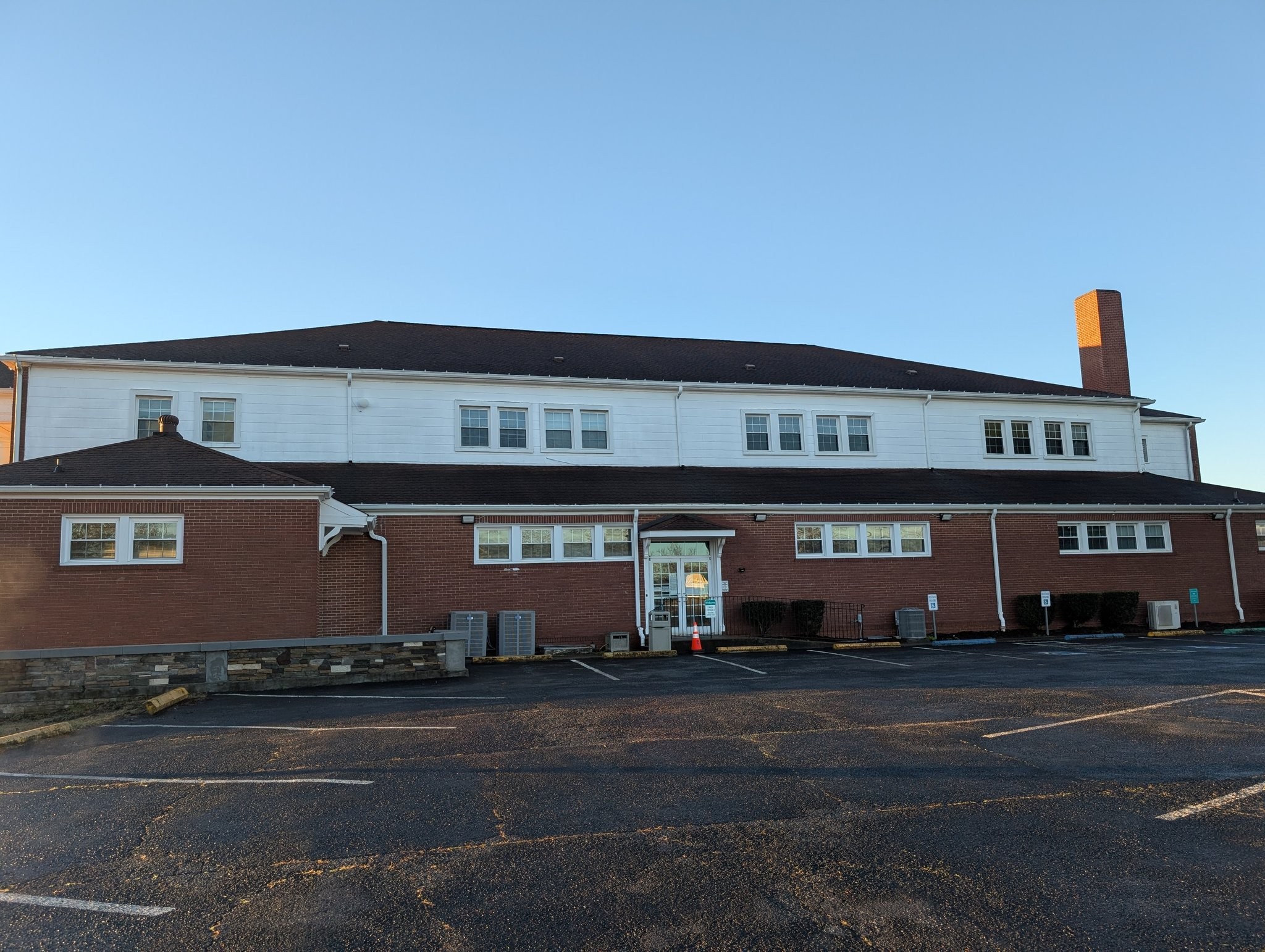
Pacific Mills in Lyman
Established in 1889, Pacific Mills stands as a defining landmark in the industrial and social history of Lyman, South Carolina, and the broader Spartanburg County region. Founded by the Pacific Mills Company of Lawrence, Massachusetts, the textile complex was part of a major wave of New England investment that transformed the rural Piedmont into one of the nation’s leading centers of cotton manufacturing. Strategically located along the Spartanburg, Union & Columbia Railroad, the mill benefited from reliable transportation, abundant labor, and proximity to Southern cotton fields.
The construction of Pacific Mills brought dramatic economic and social change to the area. Alongside the vast brick mill buildings rose a carefully planned mill village, complete with worker housing, schools, churches, and company stores. This self-contained community fostered a strong sense of identity and stability, providing families with employment, education, and social structure. For generations, the rhythms of daily life in Lyman revolved around the steady hum of the mill machinery, with entire families often employed within the operation.
Architecturally, the mill complex reflected the functional yet imposing design typical of late nineteenth-century industrial construction. Massive brick structures, tall windows for natural light, and towering smokestacks symbolized both industrial power and economic promise. Continual expansions and technological upgrades through the early twentieth century allowed Pacific Mills to remain competitive and productive, manufacturing a wide range of cotton textiles that were distributed across national and international markets.
Throughout the twentieth century, Pacific Mills endured the challenges of economic downturns, labor struggles, and sweeping changes in the global textile industry. Despite modernization efforts, the decline of American textile manufacturing eventually led to the mill’s closure in the late twentieth century, marking the end of an era for Lyman and its surrounding communities. Yet the mill’s influence continued to shape the town’s physical landscape, economic development, and cultural memory.
Today, the surviving mill structures stand as powerful reminders of the industrial heritage that built Lyman. Efforts to preserve and adapt the site reflect a growing appreciation for its historical significance, honoring the generations of workers whose labor powered the region’s transformation. Pacific Mills remains a lasting symbol of innovation, perseverance, and the profound impact of the textile industry on South Carolina’s Upcountry.