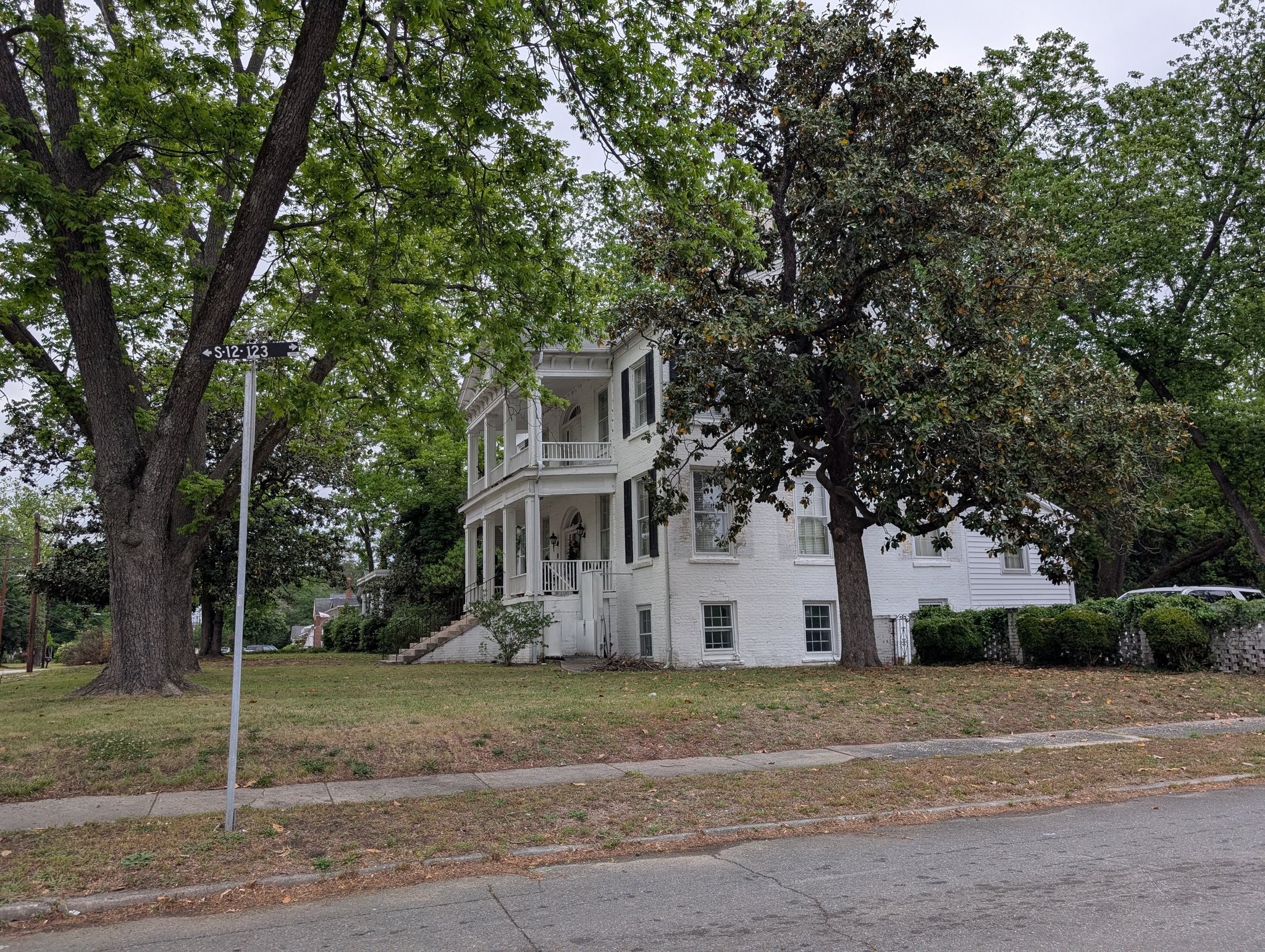
McDonald–Mobley House (ca. 1852)
The McDonald–Mobley House (ca. 1852) stands as a refined example of antebellum domestic architecture in Chester, reflecting the quiet prosperity and classical tastes that shaped the region in the decades before the American Civil War. Built during a period of agricultural and civic growth, the residence embodies both the aspirations and craftsmanship of mid-19th-century South Carolina.
The house is typically associated with Greek Revival influences, a style widely embraced across the South during this era. Its form is defined by a balanced, symmetrical façade, often organized around a central entrance that serves as the visual and functional focal point. The structure is commonly wood-framed and clad in weatherboard siding, resting on a raised foundation that elevates the home both practically and aesthetically.
A prominent gabled or hipped roof crowns the structure, with wide eaves and a restrained cornice line that emphasize horizontal balance. The entryway often features transom and sidelights, allowing natural light into the central hall while reinforcing the classical emphasis on proportion and order. Tall, evenly spaced windows further contribute to the home’s sense of rhythm and refinement.
A front porch frequently supported by square or simply molded columns extends a welcoming gesture while also providing shade and outdoor living space suited to the Southern climate. Though typically understated, these architectural elements reflect the influence of ancient classical ideals interpreted through local building traditions.
Inside, the McDonald–Mobley House would have followed a central hall plan, with rooms arranged symmetrically on either side. High ceilings, plastered walls, and finely crafted wood trim create an atmosphere of restrained elegance. Fireplaces in principal rooms served both practical and social functions, anchoring domestic life within the home.
As a surviving expression of Chester’s antebellum heritage, the McDonald–Mobley House offers a tangible connection to the town’s early development. It reflects the architectural ideals, craftsmanship, and cultural landscape of a period when symmetry, proportion, and permanence defined the built environment of the South.