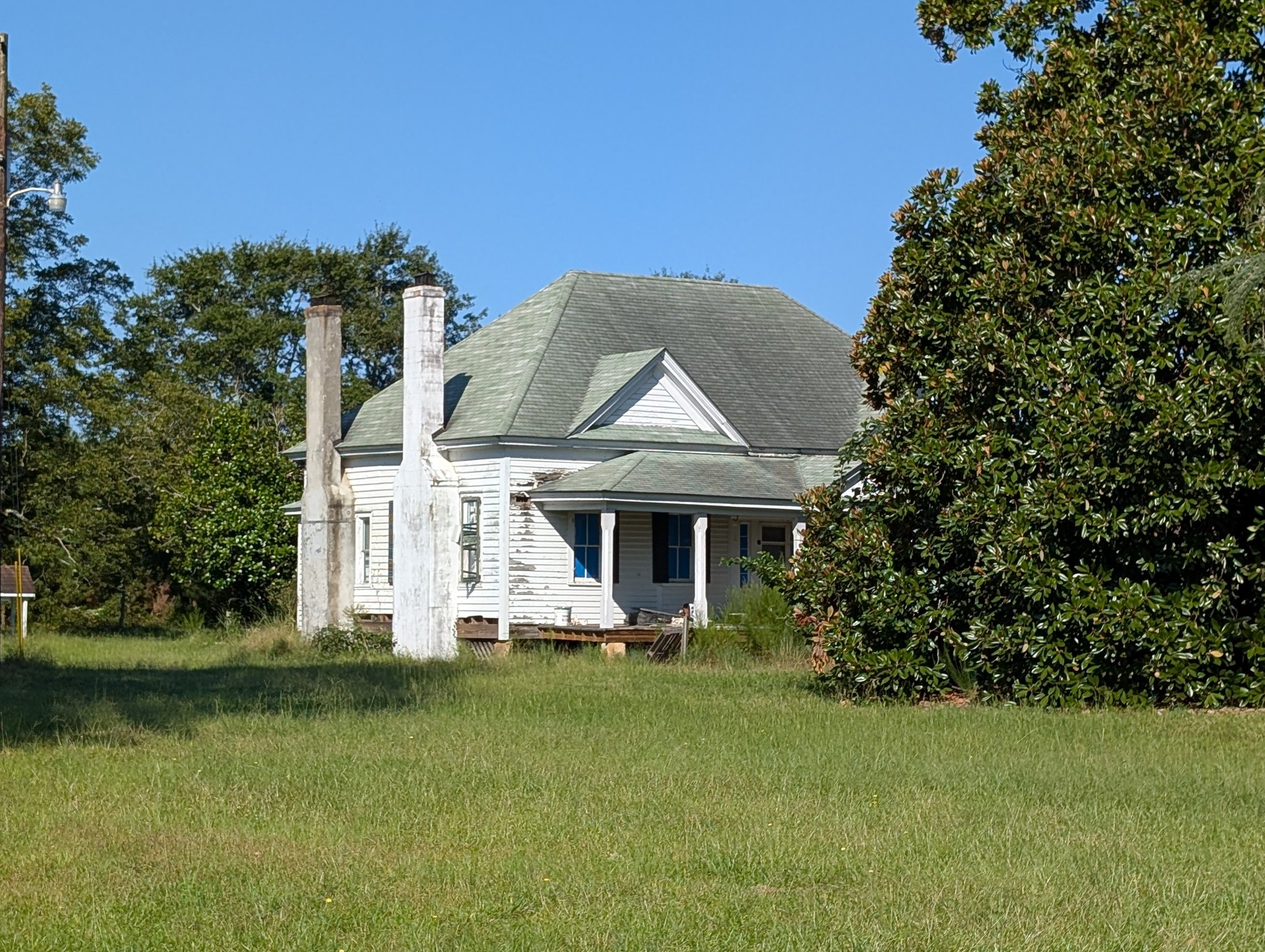
Marshfield Plantation in Edgefield County
Marshfield Plantation in Edgefield County stands as a quiet yet powerful witness to the layered history of South Carolina’s backcountry, its story bound to the land as much as to the families who shaped it. Established in the early nineteenth century, Marshfield was part of the great plantation landscape that once defined this region, where agriculture was both livelihood and identity. With its fertile fields stretching across the rolling countryside, the plantation was a place where prosperity, labor, and tradition converged, leaving behind a legacy that continues to speak through its surviving structures and grounds.
The main house at Marshfield, dignified in form and balanced in proportion, reflects the architectural ideals of its era—solidly built, practical for the climate, yet possessing a refinement that spoke of the planter’s aspirations. Around it, outbuildings and agricultural spaces once formed the heart of a working plantation, sustained by the labor of enslaved men and women whose untold contributions shaped both the estate and the broader economy of Edgefield County. Their toil underpinned the wealth and social standing of Marshfield’s owners, while their endurance left an indelible mark on the cultural landscape of the South.
Through the generations, Marshfield became not only a family seat but also a witness to the sweeping changes of Southern life—from the height of the antebellum era, through the upheaval of war and Reconstruction, into the new realities of the twentieth century. Each layer of its history, whether of triumph, struggle, or renewal, is embedded in its story.
Today, Marshfield Plantation endures as a heritage landmark, its presence reminding us of both the grace and the complexity of the past. It embodies the agricultural traditions, the architectural character, and the human stories—both celebrated and sorrowful—that together shaped Edgefield County’s identity. As such, it remains a vital thread in the broader fabric of South Carolina history, linking the present to the lives and labors of those who came before.