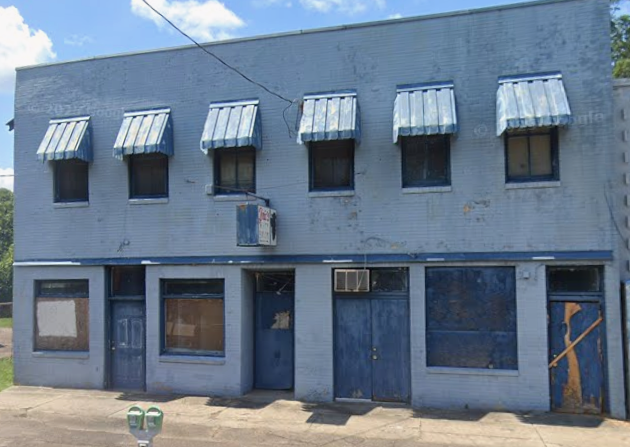
Lighthouse Informer ca 1941
The Lighthouse Informer, dating from approximately 1941, represents an important chapter in Columbia’s African American communications and community history. During the first half of the twentieth century, Black newspapers and newsletters served an essential role in communities where mainstream newspapers frequently provided limited, distorted, or segregated coverage of African American life. Publications such as the Lighthouse Informer offered a means of communicating local news, community activities, religious events, education, business developments, and matters of broader social importance.
By the early 1940s, Columbia’s African American community had developed a substantial network of churches, schools, businesses, fraternal organizations, and civic institutions. A publication office connected these institutions and provided a forum through which local residents could share information and strengthen community identity.
A publication office of the period was generally designed around practical commercial needs rather than elaborate architectural display. The building would have accommodated offices, editorial and administrative areas, storage, and spaces associated with printing, preparation, or distribution. Durable construction, straightforward room arrangements, ample electrical service, and convenient access would have been important considerations.
The architectural character of such a building is therefore closely connected to its function. Unlike a grand civic structure or residence, the office’s significance comes largely from the activities that took place within it and its relationship to the surrounding African American commercial and institutional landscape.
The Lighthouse Informer served a community function extending well beyond the production of printed material. African American newspapers and publications provided opportunities for local organizations and businesses to reach readers while giving residents a platform for discussing education, employment, politics, religion, social affairs, and community accomplishments.
In an era of segregation, access to reliable community-controlled information was particularly important. A local publication could highlight people and organizations that might otherwise receive little attention in the larger press. It also helped preserve a record of everyday life that is invaluable to historians studying Columbia’s African American community.
The ca. 1941 date places the Lighthouse Informer in a significant period of American history. The United States was entering World War II, and African Americans were confronting both military and civilian discrimination while pressing for greater economic opportunity and civil rights. In Columbia, as elsewhere in the South, Black newspapers and community publications helped document these developments and gave voice to local concerns.
The publication also belongs to a longer tradition of African American journalism in South Carolina, in which newspapers served as vehicles for education, advocacy, business promotion, and community organization.
The Lighthouse Informer is significant for its association with African American journalism and community life in Columbia during the early twentieth century. Its ca. 1941 date captures a period when local Black institutions were increasingly important centers of communication and civic identity. The publication provides insight into the networks of people and organizations that sustained Columbia’s African American community during the era of segregation.