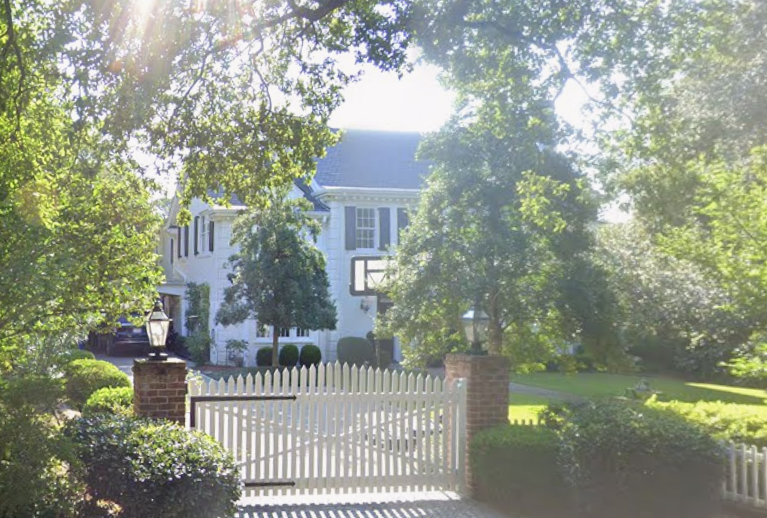
John W Lillard House ca 1928
The John W. Lillard House, dating to circa 1928, is a representative example of the residential architecture that characterized Columbia during the prosperous years of the 1920s. Constructed during a period of expanding neighborhoods and increasing interest in architecturally distinctive single-family residences, the house reflects the period’s blend of traditional design influences and early twentieth-century domestic planning. Its overall composition, proportions, fenestration, and architectural detailing convey the emphasis on craftsmanship and residential refinement associated with the era, while its scale and setting reflect the growing importance of well-planned residential districts beyond Columbia’s historic urban core. The house illustrates the transition from the more elaborate Victorian traditions of the nineteenth century toward the revival styles and simplified forms that became popular in the first decades of the twentieth century.
Historically, the John W. Lillard House contributes to an understanding of Columbia’s residential and social development during the late 1920s, a period marked by economic growth, expanding transportation networks, and continued urban development. Houses of this period often represented the aspirations of Columbia’s established professional and business families, providing comfortable residences that incorporated contemporary conveniences while maintaining a strong sense of architectural permanence. The circa 1928 date places the Lillard House within the final years of the city’s pre-Depression building boom, giving it particular value as a surviving example of Columbia’s residential landscape before the economic and social disruptions of the 1930s. Through its architectural character, period, scale, and neighborhood context, the John W. Lillard House helps document the evolution of Columbia’s residential architecture and the changing lifestyles of its residents during the interwar era.