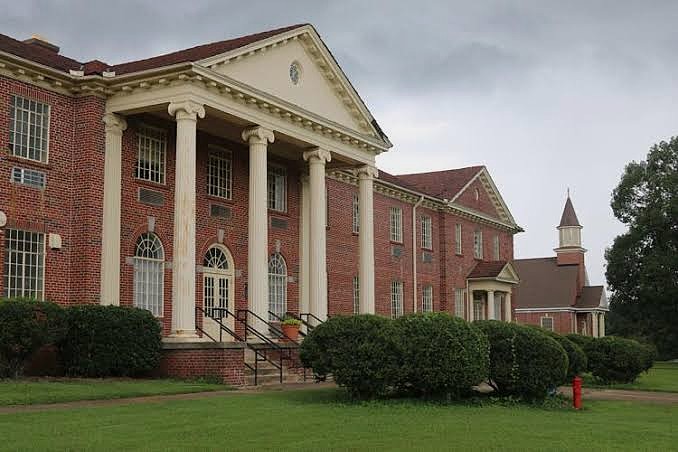
John De La Howe School ca 1797
John de la Howe School, established in 1797 near McCormick, South Carolina, represents one of the state’s most significant early educational institutions. Founded through the bequest of French Huguenot physician John de la Howe, the school originated as an agricultural and educational institution intended to provide opportunities for disadvantaged children. De la Howe’s vision reflected the philanthropic ideals of the late eighteenth century, emphasizing practical education, self-sufficiency, and the improvement of rural society. Over time, the institution developed a distinctive identity rooted in agricultural training and residential education, making it an important part of South Carolina’s educational and social history.
The school’s early history is closely associated with its rural campus and agricultural mission, which combined classroom instruction with practical farm work. Although Dr. de la Howe’s bequest dates to 1797, the institution itself did not begin operating until 1832 as Lethe Agricultural Seminary. The school later became known as John de la Howe School and was transferred to state control in 1918. Today, its long history reflects the continuing importance of agricultural education, philanthropy, and public service in South Carolina.