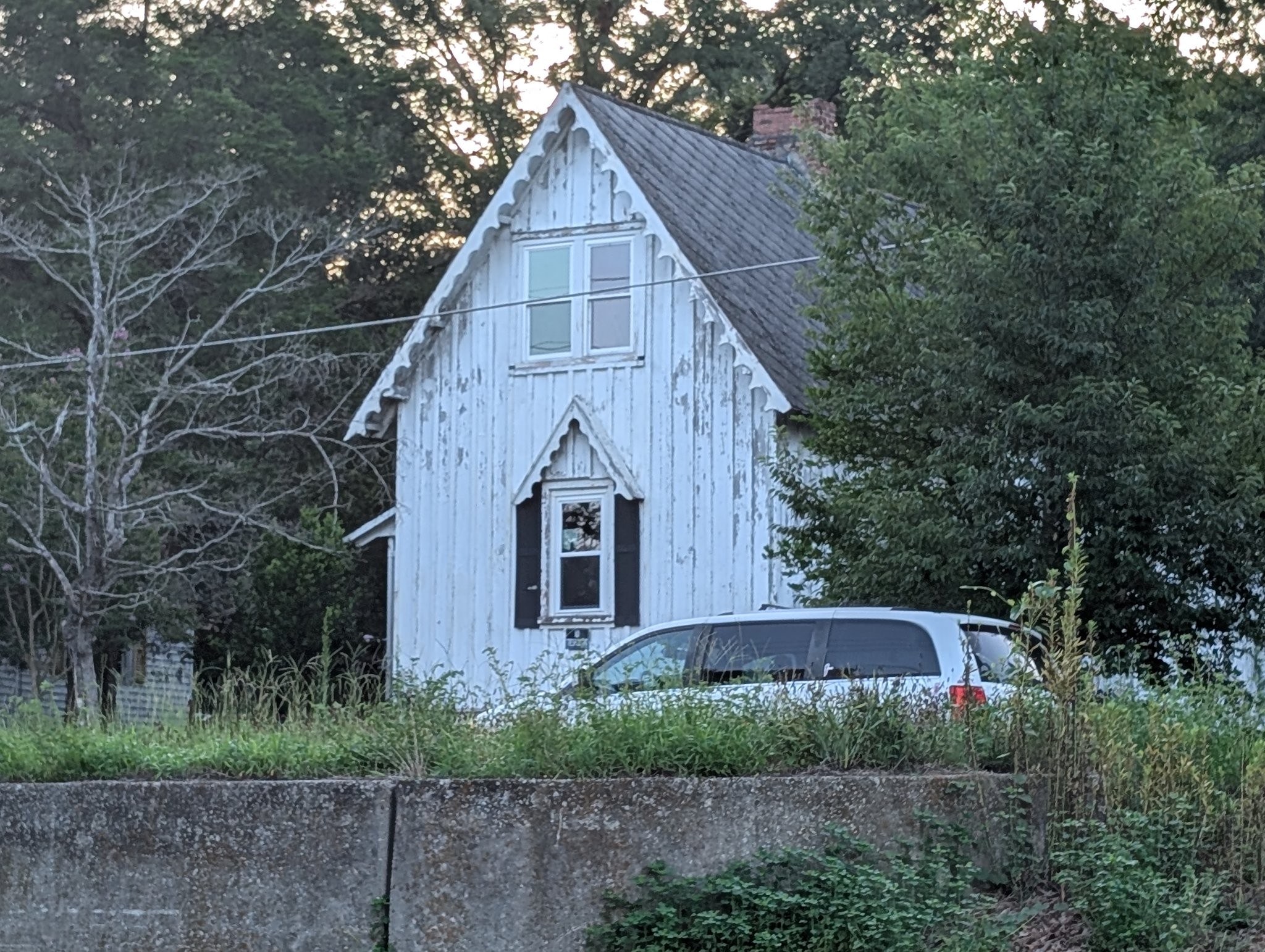
Graniteville Mill houses
Constructed beginning in the mid-nineteenth century as part of William Gregg’s Graniteville industrial village, the Graniteville Mill Houses represent one of the earliest and most significant examples of planned worker housing in the American South. Built to support the workforce of the Graniteville Manufacturing Company, established in 1845, these residences formed an essential component of Gregg’s revolutionary vision of a self-contained textile community. Along with the mill, academy, churches, and civic buildings, the houses created a carefully organized village designed to provide stability, education, and improved living conditions for industrial workers and their families.
The mill houses reflect the practical architectural traditions of early industrial communities while incorporating design influences from New England textile villages. Most were modest one-story or one-and-a-half-story frame dwellings constructed with locally available materials and arranged in orderly rows along village streets. Typical features included weatherboard siding, front-gabled roofs, brick pier foundations, simple entrances, and regularly spaced windows for light and ventilation. The straightforward designs emphasized functionality and durability, providing comfortable residences while maintaining the efficiency required for a growing mill community. Their repeated forms and consistent scale created a distinctive streetscape that visually connected the homes to the larger industrial complex.
Unlike many nineteenth-century Southern mill villages, Graniteville was planned around the idea that workers’ welfare contributed to industrial success. The houses were part of William Gregg’s broader social philosophy, which included access to education, religious institutions, and community services. Families who lived in the mill village developed strong neighborhood connections, with daily life centered around the rhythms of textile production, church activities, school attendance, and community gatherings. The houses became more than worker accommodations—they served as the homes of generations of families whose labor and traditions shaped Graniteville’s history.
Over time, many of the mill houses have been adapted, renovated, or expanded to meet changing needs, yet surviving examples continue to convey the historic character of the original village. Their modest scale, placement, and architectural details preserve the physical evidence of nineteenth-century industrial life in South Carolina. Together, they illustrate the relationship between industry and community that defined Graniteville and influenced the development of textile towns throughout the region.
Today, the Graniteville Mill Houses remain important contributing resources within the Graniteville Historic District, recognized as one of the nation’s most significant surviving examples of a planned textile mill village. They stand as reminders of the workers who powered South Carolina’s industrial growth and of William Gregg’s pioneering effort to create a community where manufacturing, education, housing, and social life were intentionally integrated. Through their preservation, the mill houses continue to tell the story of the people who built, worked in, and sustained one of the South’s most influential industrial communities.