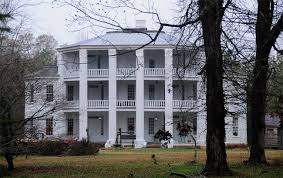
Frazier–Pressley House
The Frazier–Pressley House is a well-preserved example of a rural Piedmont residence associated with the agricultural and family-centered development of Abbeville County. Closely tied to the Frazier and Pressley families—names long established in the region—the house, built between 1852 to 1856, reflects the social stability and domestic traditions that characterized small-town and rural life in the years following the Civil War.
Constructed during a period when farming communities were becoming more settled and prosperous, the Frazier–Pressley House illustrates the transition from earlier frontier dwellings to more permanent and stylistically influenced homes. Families such as the Fraziers and Pressleys were part of a network of landowners, farmers, and local leaders whose lives were closely connected to agriculture, church, and community institutions.
The house embodies vernacular residential architecture common to the South Carolina Piedmont, emphasizing practicality, symmetry, and craftsmanship. Its form and materials reflect locally available resources and building traditions, while its layout accommodated both family life and the demands of an agrarian household. The surrounding landscape historically supported farming activities and reinforced the home’s role as a working rural residence.
As a family home, the Frazier–Pressley House served as a center of daily life and social interaction. Like many rural residences of its era, it would have hosted extended family gatherings, seasonal events, and informal community visits, reinforcing kinship ties and neighborhood relationships that were essential to rural life.
The survival of the Frazier–Pressley House provides valuable insight into domestic life in Abbeville County during a formative period in its history. Its continued presence helps document patterns of settlement, family lineage, and architectural tradition in the Donalds area.
The Frazier–Pressley House stands as a tangible link to the families and farming culture that shaped the region. It represents the everyday lived experience of rural South Carolinians and contributes to a broader understanding of Abbeville County’s historical landscape.