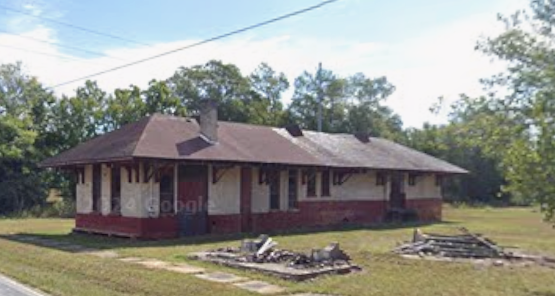
Donalds Train Station
The Donalds Train Station was a defining feature in the development of the town of Donalds, which emerged as a railroad community during the rapid expansion of rail lines, Late 19th to early 20th century railroad expansion in the South, across South Carolina. Like many Piedmont towns, Donalds grew directly along the tracks, with the depot serving as the nucleus around which commerce, industry, and residential development took shape.
The station functioned as the primary transportation and shipping point for the surrounding rural area. Local farmers depended on the depot to ship cotton and other agricultural products to regional and national markets, while inbound freight supplied fertilizer, equipment, consumer goods, and building materials. This exchange supported the growth of local businesses and helped integrate Donalds into broader trade networks.
In addition to freight operations, the Donalds Train Station provided passenger service, linking residents to nearby towns and larger urban centers. The depot was a regular gathering place where citizens met arriving trains, shared news, and maintained personal and commercial connections. Its presence represented progress and accessibility in an otherwise rural setting.
The station reflected the modest, functional design typical of small-town railroad depots, emphasizing practicality and efficiency. Its form and materials were representative of standardized railroad construction used throughout the region.
With the rise of automobiles and highway transportation in the mid-20th century, rail passenger service declined, and the station’s central role diminished. Despite this shift, the Donalds Train Station remains historically significant as a symbol of the railroad era that shaped the town’s origin, economy, and identity.
The Donalds Train Station stands as an enduring reminder of the transformative influence of the railroad on rural South Carolina, illustrating how transportation infrastructure fostered settlement, economic opportunity, and community life in Abbeville County.