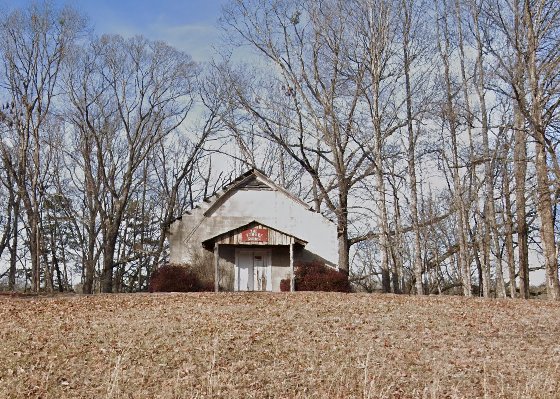
Cowboy Church in Long Creek
The Cowboy Church in Long Creek represents a modern expression of rural faith rooted in the traditions, values, and lifestyle of the Southern Appalachian foothills. Established to serve a community with deep agricultural, equestrian, and working-land traditions, the church blends Christian worship with the cultural identity of the area, offering an informal and welcoming place of gathering.
The Cowboy Church movement emerged in the late twentieth and early twenty-first centuries as congregations sought to reach people who felt disconnected from traditional church settings. In Long Creek, the establishment of The Cowboy Church reflected both this broader movement and the local community’s heritage of farming, cattle raising, horsemanship, and outdoor labor. The congregation formed as a place where faith could be practiced in a familiar, culturally resonant environment.
The Cowboy Church is typically housed in a simple, functional structure or open gathering space that mirrors barns, arenas, or rural meeting halls rather than conventional ecclesiastical architecture. Wood framing, open interiors, and flexible seating accommodate worship services, fellowship events, and community activities. The informal setting emphasizes accessibility and authenticity, reinforcing the church’s mission to meet people where they are.
Beyond weekly worship, The Cowboy Church serves as a center for fellowship and outreach in Long Creek. Services often incorporate music styles such as gospel, country, or western-influenced hymns, reflecting regional traditions. The church hosts events that strengthen community ties, including meals, youth activities, and gatherings connected to agricultural or equestrian life. These activities reinforce the church’s role as both a spiritual home and a social anchor.
As the Long Creek area has experienced changes in population and economic patterns, The Cowboy Church has remained a stable presence by adapting its programs to contemporary needs while maintaining its rural identity. Its continued relevance reflects the enduring appeal of faith communities that honor local culture and emphasize personal connection over formality.
The Cowboy Church stands as a reflection of evolving religious expression in rural South Carolina. While relatively recent in origin, it embodies long-standing traditions of community-centered worship and highlights how faith institutions continue to adapt to cultural change while preserving core spiritual values.