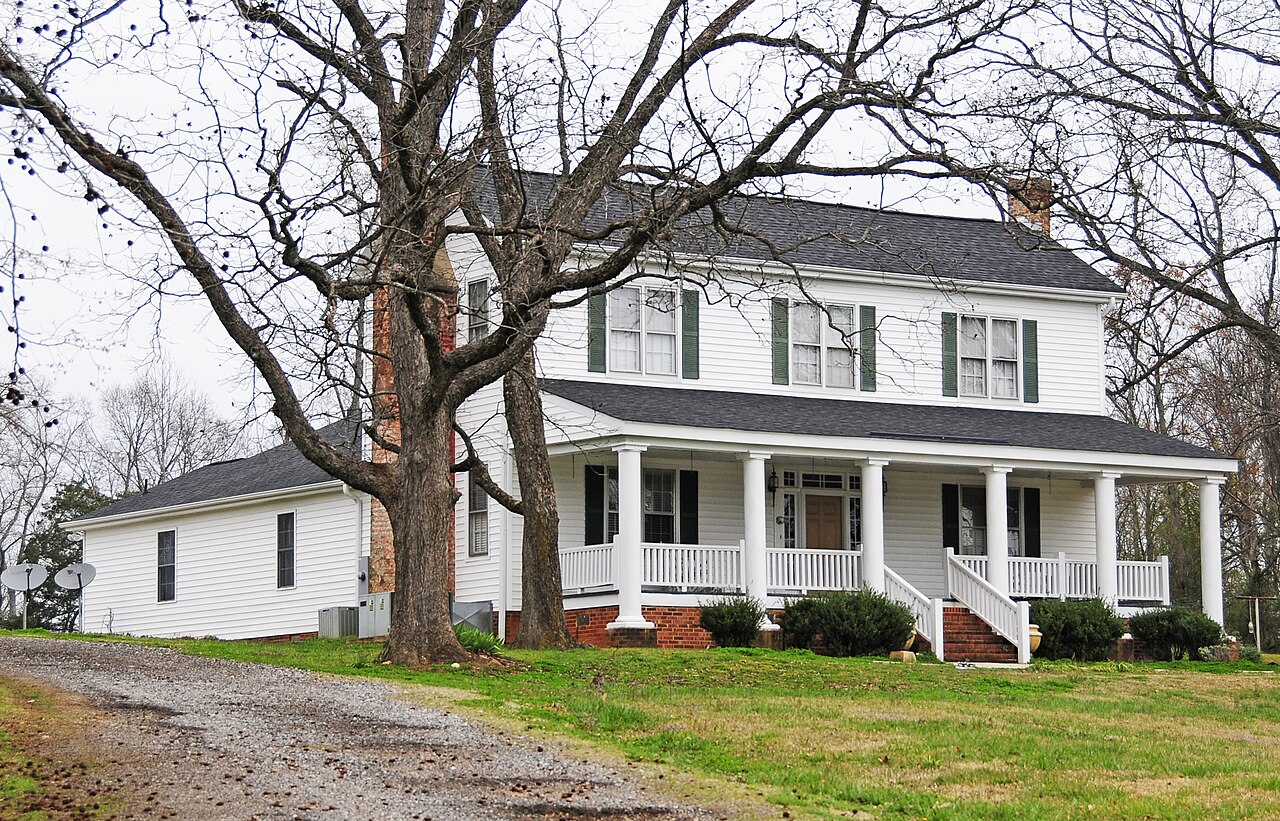
Cedar Bluff Plantation
Cedar Bluff Plantation carries with it the echoes of a bygone era, when the strength of the land and the will of its people shaped both prosperity and hardship. Nestled against the cedar-lined bluffs from which it takes its name, the plantation once formed the heart of a thriving agricultural enterprise, its fields stretching outward in orderly rows that testified to the labor and rhythms of the agrarian South. At its center rose the plantation house, a dwelling of quiet dignity whose broad porches and sturdy frame embodied the aspirations of its builders.
Life at Cedar Bluff reflected the complex tapestry of plantation society—where wealth and refinement were interwoven with the toil of enslaved laborers whose unacknowledged hands made such prosperity possible. Families grew, generations passed, and the plantation stood as a stage upon which both daily life and the larger story of the South unfolded. Seasons of plenty were tempered by times of struggle, yet the land and its people remained bound together in a cycle as old as the soil itself.
Today, Cedar Bluff Plantation endures as more than a relic; it is a touchstone of memory. Its weathered timbers and shaded grounds speak to resilience, heritage, and the enduring pull of place. To walk its land is to feel the weight of history—a history both proud and painful—woven into the cedar-scented air, reminding us that the story of Cedar Bluff is inseparable from the larger story of the South itself.