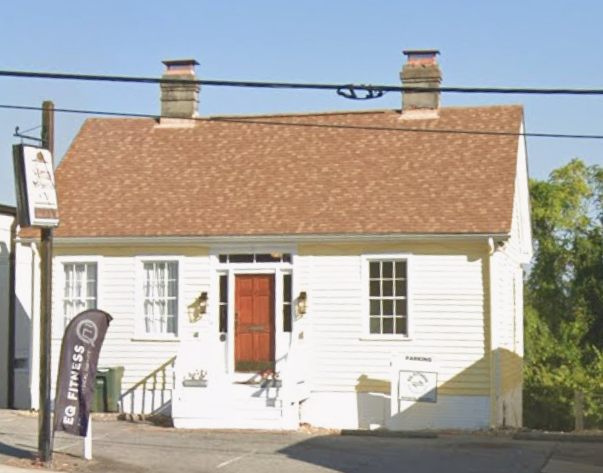
Alston House ca 1872
The Alston House, dating to approximately 1872, is a notable example of Columbia’s residential architecture during the Reconstruction era and reflects the city’s gradual recovery and rebuilding following the devastation of the Civil War. Constructed in the years immediately after the conflict, the house belongs to an important transitional period in Columbia’s history, when established antebellum traditions were being combined with new architectural tastes associated with the Victorian era. Its survival provides an important link to the city’s nineteenth-century residential landscape and to the families who helped shape Columbia during the decades following the war.
Architecturally, the house is representative of the substantial residences being constructed in Columbia during the late nineteenth century. The circa-1872 date suggests a design influenced by traditional Southern domestic forms while incorporating elements of the Victorian period. Houses of this era commonly emphasized symmetry, generous proportions, tall windows, broad porches, and carefully finished interior spaces. Decorative details could include turned or sawn woodwork, brackets, ornamental trim, paneled doors, high ceilings, and other features that provided visual character while remaining compatible with established Southern building traditions.
The Alston House is also significant within the context of Columbia’s postwar development. The early 1870s were years of considerable political, economic, and physical change in the capital city. As Columbia rebuilt and expanded, new residences appeared alongside surviving antebellum properties, creating a layered architectural environment in which houses from different periods stood together. A residence such as the Alston House illustrates this transformation and demonstrates how Columbia’s domestic architecture evolved from the formal traditions of the antebellum period toward the more eclectic tastes of the Victorian era.
Beyond its architectural importance, the house represents the role of private residences in documenting the social history of Columbia. Large nineteenth-century houses were centers of family life, social gatherings, and community relationships, while their locations and scale reflected the status and aspirations of their occupants. The Alston House therefore provides an opportunity to interpret not only changing architectural styles but also the growth of Columbia’s residential neighborhoods and the emergence of a new postwar generation of homeowners.
The Alston House is consequently an important representative of Columbia’s Reconstruction-era architectural heritage. Its circa-1872 construction places it within a formative chapter of the city’s history, when Columbia was rebuilding from wartime destruction and developing a new urban identity. Through its architecture, craftsmanship, residential character, and association with the city’s nineteenth-century development, the Alston House contributes to the understanding of Columbia’s historic built environment and preserves a tangible reminder of the community that emerged during the years following the Civil War.