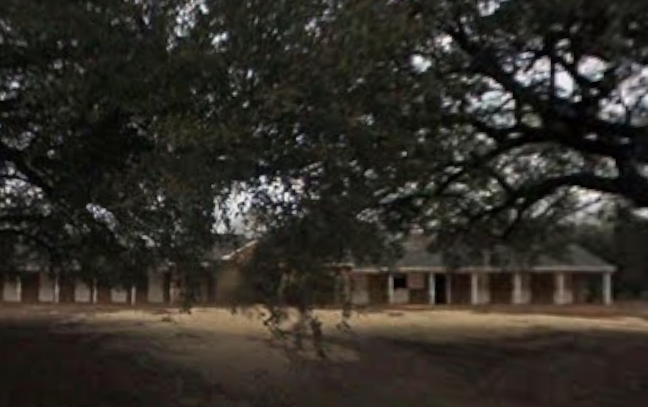
Aiken Polo Club ca 1930
Established during the golden age of Aiken’s Winter Colony and represented by its present clubhouse and associated facilities dating largely to circa 1930, the Aiken Polo Club stands as one of the most important institutions in the city’s rich equestrian heritage. Founded to serve the growing community of winter residents, horsemen, and sports enthusiasts, the club became a focal point of Aiken’s social and sporting life, reinforcing the city’s reputation as one of America’s premier centers for polo and equestrian competition.
The origins of organized polo in Aiken stretch back to the late nineteenth century when wealthy winter colonists introduced the sport to the region and established informal matches on local fields. By the early twentieth century, polo had become deeply woven into the fabric of community life, attracting nationally prominent players, industrialists, and sporting figures who wintered among Aiken’s pine forests and riding trails. The construction of permanent facilities around 1930 reflected both the maturity of the sport in Aiken and the city’s growing national prominence within equestrian circles.
Architecturally, the clubhouse and supporting structures embody the understated elegance associated with sporting architecture of the period. Designed to complement the surrounding polo fields and stable complexes, the buildings emphasized function, comfort, and harmony with the landscape while providing gathering spaces for players and spectators alike. Broad porches, simple massing, and traditional materials reinforced the relaxed atmosphere that characterized Winter Colony sporting culture.
For generations, the Aiken Polo Club has hosted tournaments, exhibitions, and social events that have drawn participants and spectators from across the country. The club played a vital role in preserving the traditions of polo during periods when the sport declined elsewhere and helped secure Aiken’s enduring identity as the “Horse Capital of the South.” Today, it remains one of the oldest continuously active polo organizations in the United States and a defining symbol of the city’s equestrian legacy.