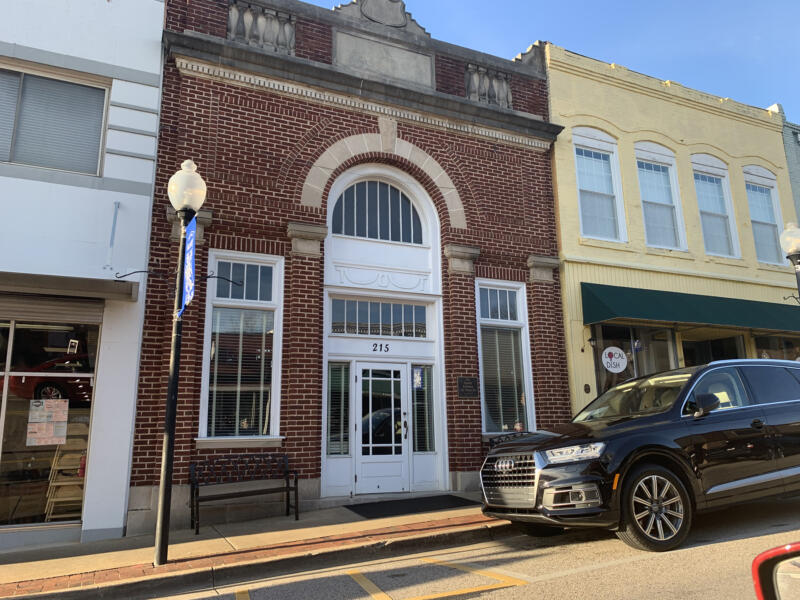
Spratt Building ca 1911
The Spratt Building, constructed circa 1911 in Fort Mill, stands as an important early twentieth-century commercial structure that reflects the town’s rapid growth during the height of the textile era. Erected during a period of expanding industrial prosperity and increasing downtown development, the building embodies the confidence and civic ambition that characterized Fort Mill’s transformation from a small railroad village into a thriving regional trade center.
Associated with the Spratt family name—long connected to civic leadership, commerce, and professional life in York County—the building reflects the entrepreneurial spirit that helped shape Fort Mill’s early commercial district. Structures such as the Spratt Building typically housed a mix of retail establishments, professional offices, and service-oriented businesses, serving both everyday consumer needs and the administrative functions of a growing town economy.
Architecturally, the Spratt Building represents the restrained commercial style common to small-town South Carolina in the early 1900s. Its design likely featured a brick masonry façade, large storefront display windows on the ground floor, and regularly spaced upper-story windows that provided natural light for offices or meeting rooms. Decorative elements such as corbelled brick cornices, modest parapets, and simple classical detailing would have added visual interest while maintaining a focus on utility and durability.
The building’s construction coincided with a broader wave of modernization in downtown Fort Mill, when improved rail access, textile-driven employment, and rising consumer demand supported a more defined and permanent commercial streetscape. As part of this evolving environment, the Spratt Building contributed to the formation of a cohesive Main Street identity, where commerce, professional services, and civic life were concentrated within a walkable core.
Over time, the Spratt Building has remained an important component of Fort Mill’s historic downtown fabric, illustrating the architectural and economic patterns that shaped the town during the early twentieth century. Its continued presence serves as a reminder of the individuals and enterprises that helped establish Fort Mill as a stable and prosperous community during a pivotal era of growth and change.