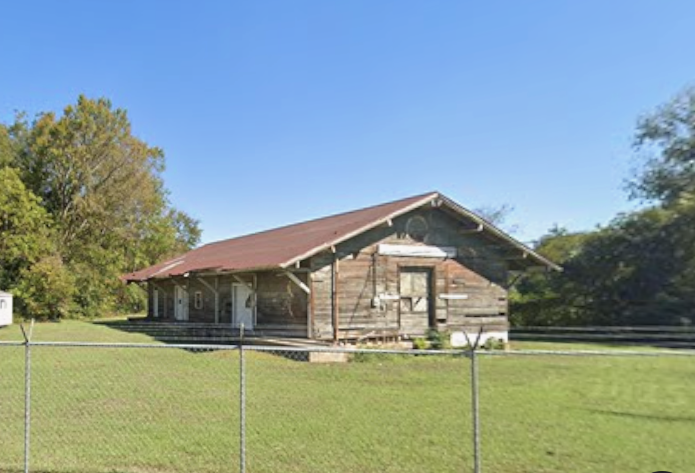
Southern Railroad Freight Depot
For over a century, the Southern Railroad Freight Depot was more than just a building along the tracks in Abbeville — it stood as a symbol of the profound impact that rail transportation had on the small Upcountry town’s economy, growth, and connection to the wider world. Constructed in the era when railroads were the lifeblood of American commerce, the depot served as a hub where cotton, lumber, manufactured goods, and agricultural products flowed between Abbeville and distant markets.
The railroad came to Abbeville as part of the broader expansion of Southern rail networks in the late 19th century, when lines such as those chartered to reach the town forged vital links between rural communities and regional centers of trade. As these rail routes matured, facilities like the freight depot became indispensable: they allowed local farmers and merchants to load and ship their products efficiently, and in turn brought a steady stream of goods, supplies, and new opportunities into town.
Although detailed construction records for the Abbeville Southern Railroad Freight Depot itself are scarce, depots of this type were typically built in the late 1800s or early 1900s as part of the Southern Railway system’s development across South Carolina and the Southeast. These structures were designed pragmatically, focused on durability and functionality: spacious freight rooms with large doors opening onto the tracks, platforms for loading and unloading, and offices where agents oversaw the movement of cargo.
For decades, the freight depot operated as an engine of commerce, facilitating the shipment of cotton and other agricultural products — staples of Abbeville County’s economy — and supporting the town’s participation in regional and national markets. Rail freight service helped connect Abbeville’s businesses and farms to ports, mills, and factories, underpinning economic life long before highways and trucking dominated freight movement.
Like many small railroad facilities across the United States, the depot’s fortunes declined with the mid-20th-century shift toward road transport and the consolidation of rail operations. By the latter part of the century, changing transportation patterns meant that such facilities were often under-utilized or abandoned. In Abbeville, the depot ceased regular service and sat unused for years, a quiet reminder of the town’s rich rail heritage.
Despite its historical value and the efforts of local preservationists, the depot ultimately was demolished, a loss mourned by the community and advocates for historic preservation alike. Residents had hoped to save and relocate the structure, but those plans were not realized before its removal, leaving behind memories of an era when the rhythms of town life were shaped by the whistle of the train and the bustle of freight operations.
Today, while the depot no longer stands, its legacy lives on in the stories of Abbeville’s development — from rural crossroads to a town linked to wider networks of commerce and travel by the iron rails that once ran through its heart.