Fort Rutledge in Clemson
Fort Rutledge in Clemson stands as a powerful reminder of South Carolina’s Revolutionary War heritage and the turbulent frontier history of the upper Savannah River valley. Constructed in 1776 on the banks of Lake Hartwell’s predecessor, near the confluence of the Seneca and Keowee rivers, the fort was built by patriot militia under the command of Colonel Andrew Williamson. It was named in honor of Colonel John Rutledge, one of South Carolina’s foremost leaders in the fight for independence.
Historically, Fort Rutledge played a crucial role as both a defensive outpost and a symbol of colonial resolve during a volatile period when settlers and Cherokee nations were caught in the shifting alliances of the Revolution. The fort became a refuge for local families and a strategic base of operations during the Cherokee campaign of 1776, serving as the site of negotiations and military engagements that shaped the fate of the western frontier. Its story reflects the tensions of the time—between loyalty and rebellion, settlers and native peoples, survival and sovereignty.
Architecturally, the original Fort Rutledge would have been a simple yet sturdy stockade structure, typical of eighteenth-century frontier fortifications. Built of timber palisades, with blockhouses at the corners and a central parade ground, it emphasized defense over ornamentation. Its practical, utilitarian design—crafted from locally hewn logs—illustrated the resourcefulness of its builders and the urgency of the circumstances. Though no above-ground remains survive today, archaeological studies and historical documentation have preserved a clear picture of its form and function.
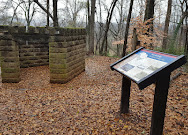
Today, the site of Fort Rutledge, now overlooking Lake Hartwell within the Clemson University campus, serves as a commemorative landmark. A historical marker and memorial stand where the fort once stood, honoring the courage and resilience of those who shaped the region’s early history. While the fort itself has vanished, its legacy endures—an enduring emblem of South Carolina’s revolutionary past and a touchstone in the broader story of settlement, conflict, and the forging of a nation.