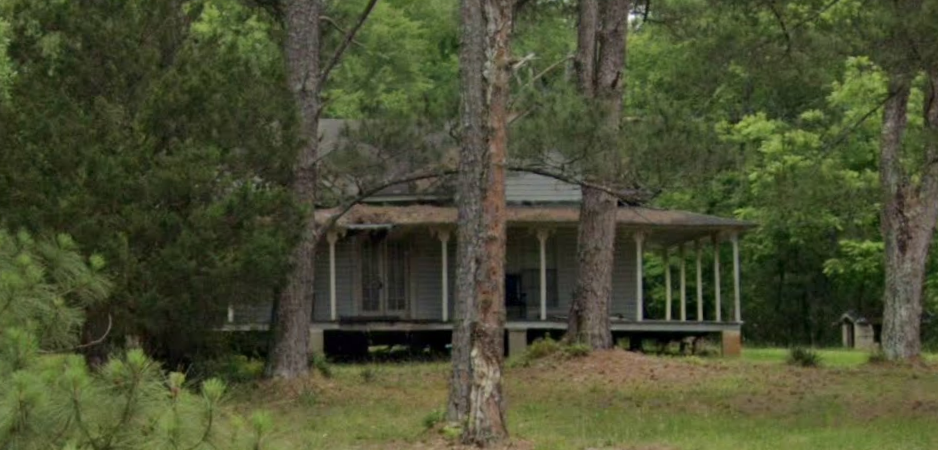
J. F. Sutherland House
Nestled along SC‑81 in the quaint, historic village of Mount Carmel, South Carolina, the J. F. Sutherland House, also known as the Sutherland House, was constructed circa 1895 as part of this rural rail‑town’s vibrant turn‑of‑the‑century growth.
Although the Sutherland House sits outside the formal boundaries of the Mount Carmel Historic District, it remains emblematic of that same era. The district — anchored by roughly 40 structures built between 1885 and 1920 — reflects the architectural and commercial boom brought on by the arrival of the Savannah Valley Railroad and the establishment of a post office in 1885.
While specific architectural descriptions for the J. F. Sutherland House are limited, its circa‑1895 construction date places it squarely in the same design context as the notable buildings within the district — a time when vernacular styles mingled with more ornate examples featuring Victorian, Queen Anne, and Classical revival details. Though not individually distinguished by high style, structures from this period typically exhibit refined woodwork, gabled roofs, and decorative trim, consistent with the residential fabric of the community.
The Sutherland home represents one of the many private residences that contributed to Mount Carmel’s appearance as a thriving small trading center during its prime. At its height — especially through the late 1880s and 1890s — the town boasted several churches, mercantile establishments, cotton gins, and local industries, such as the pottery and brick works founded by Drury Boykin Cade.
Though the town suffered setbacks — major fires in 1896, economic decline following the boll weevil infestation of 1921, and the Great Depression — many of its original buildings, including residences like the Sutherland House, remained intact, preserving Mount Carmel’s rustic charm and architectural integrity into the latter 20th century.