Hampton–Pinckney Historic District
The Hampton–Pinckney Historic District in Greenville, South Carolina, unfolds as a graceful tapestry of the city’s architectural and civic evolution—all laid out on tree‑lined blocks between Hampton Avenue and Pinckney Street, spanning from Butler to Lloyd Street. Established on land once owned by Vardry McBee—the so-called “Father of Greenville” who purchased over 11,000 acres in 1815—the neighborhood’s earliest dwelling was erected by his son Pinckney before the Civil War.
As Greenville’s first trolley‑car neighborhood, the installation of street railway lines in 1899 (operational by 1901) adjacent to the district spurred an architectural boom. Through the years from roughly 1890 into the 1920s, some 70 contributing residential structures emerged, including the W. P. McBee House (circa 1835) as the oldest.
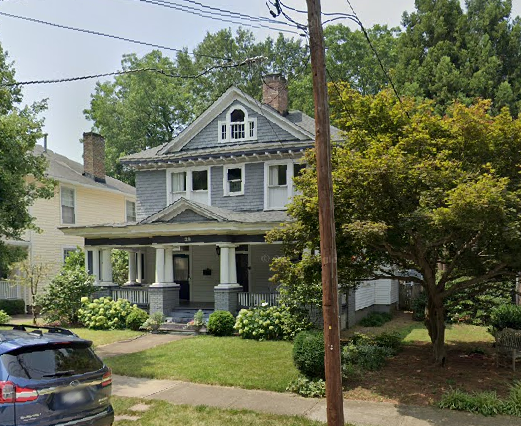
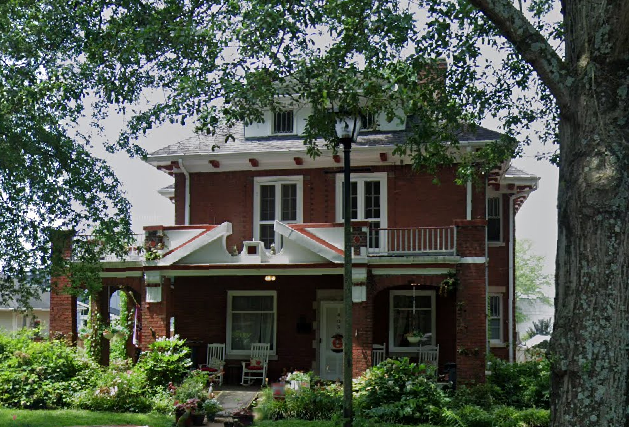
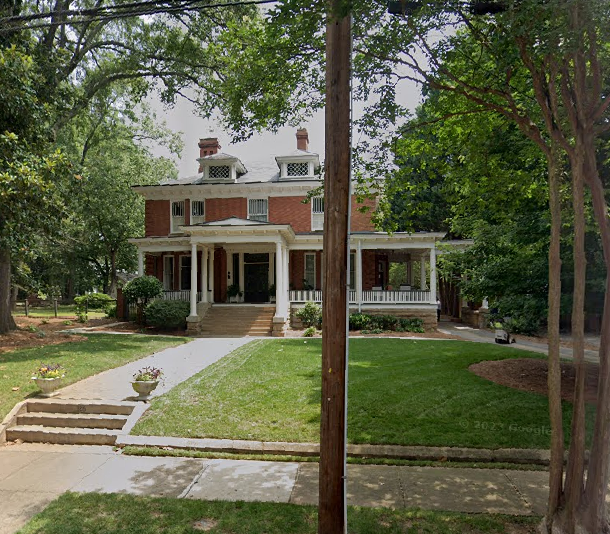
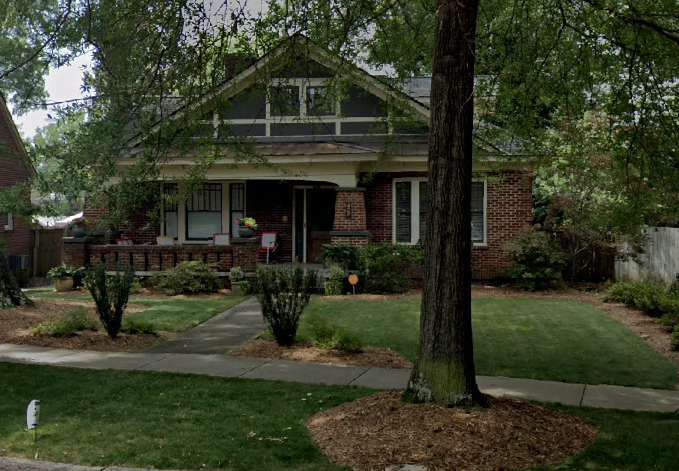
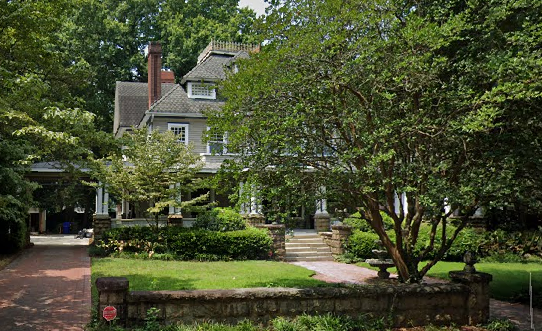
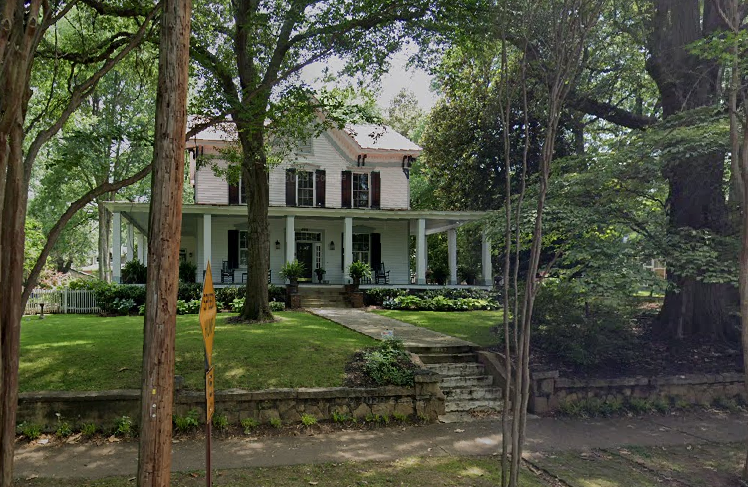
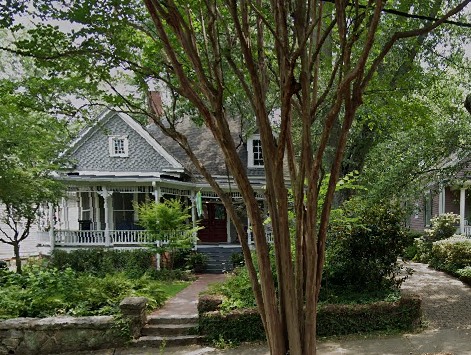
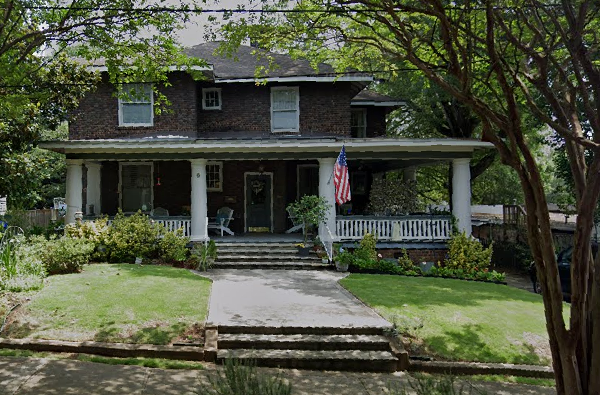
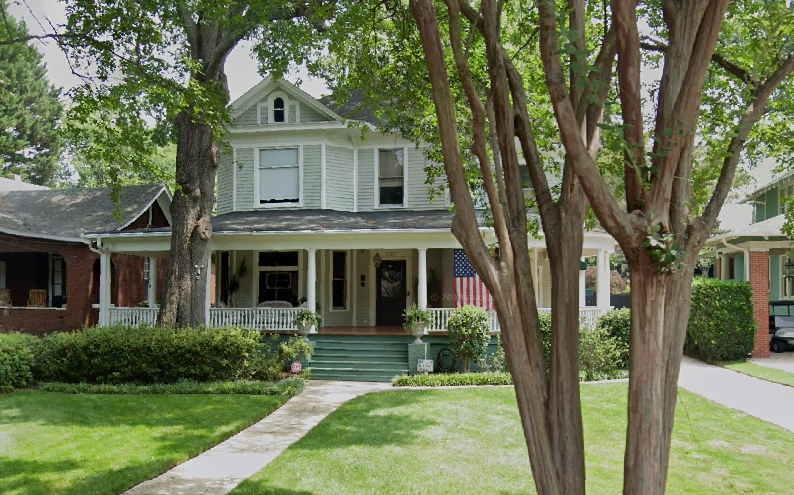
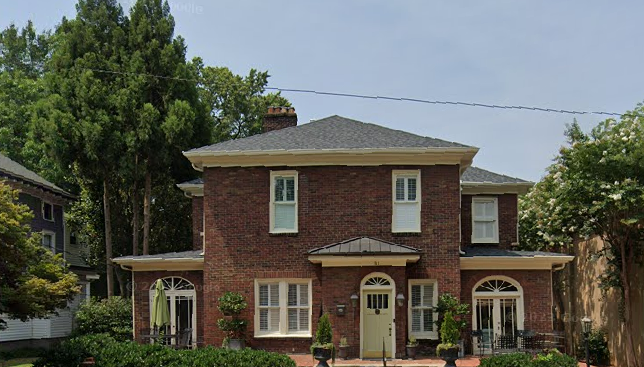
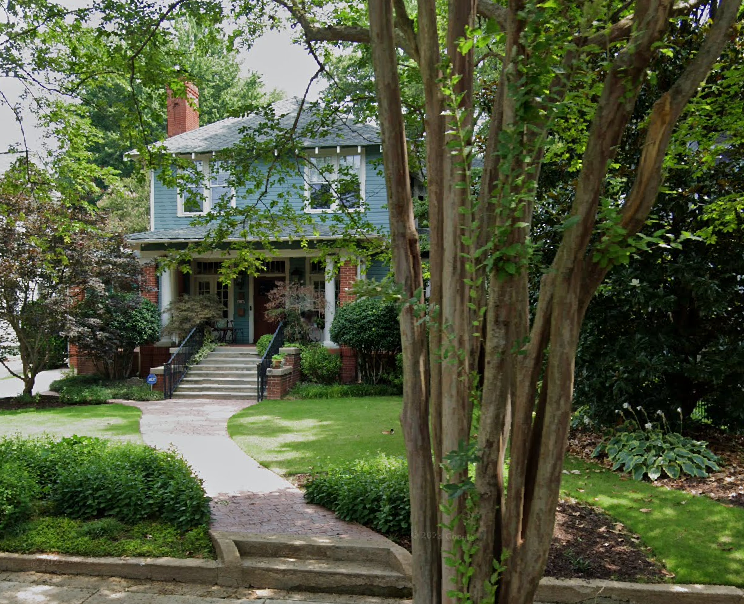
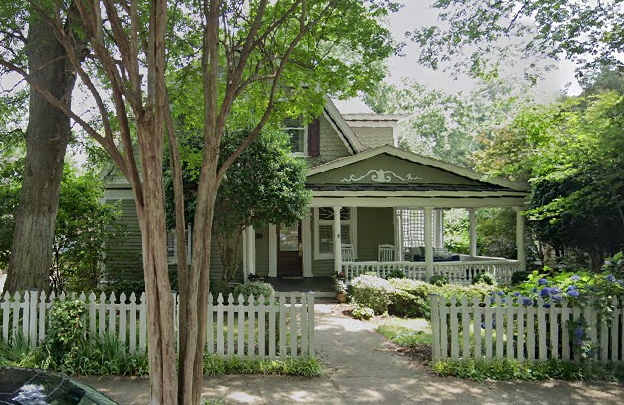
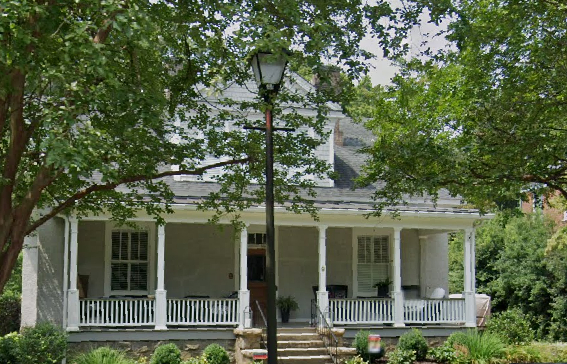
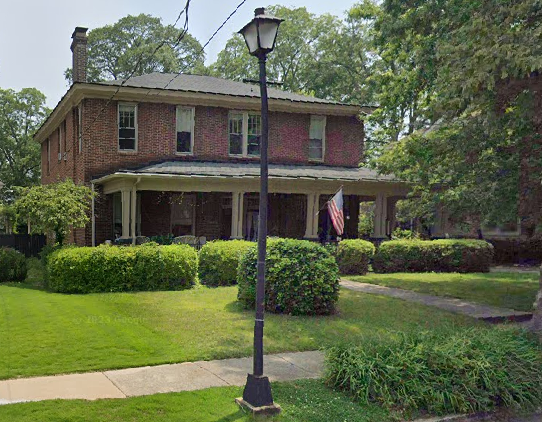
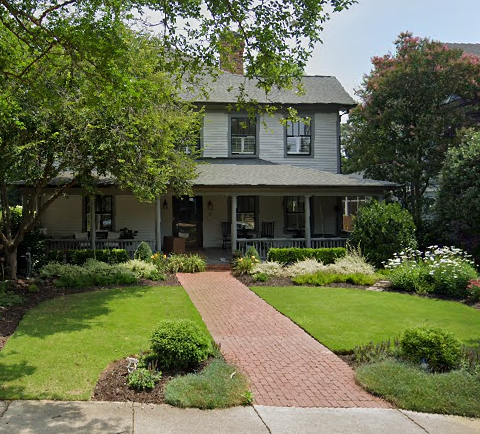
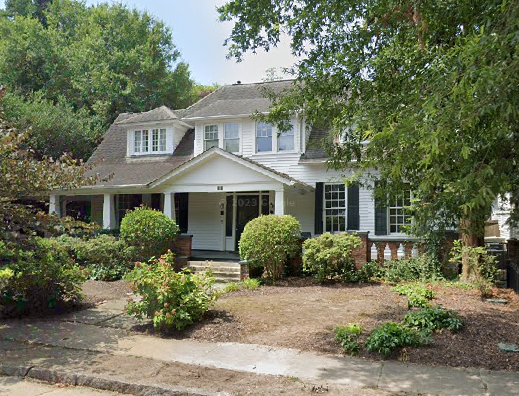
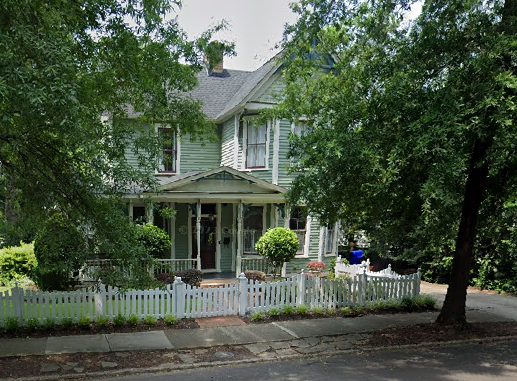
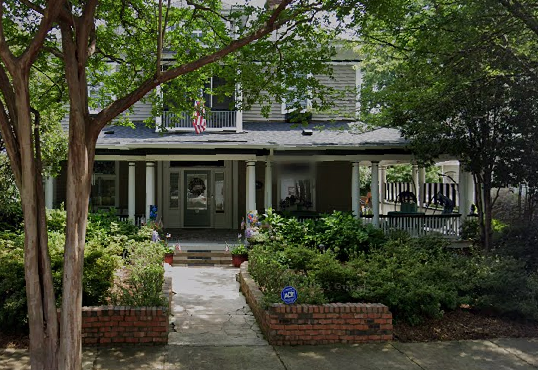
The district offers a rich architectural palette—Queen Anne and Italianate styles give way to Colonial Revival, Gothic Revival, Prairie, Craftsman bungalows, and other vernacular forms. Noteworthy houses include the J. M. Geer House and the F. B. McBee house, alongside Neo‑Georgian and Prairie influences on homes built circa 1900–1910. Interiors often retain historic elegance, such as mahogany woodwork, stained and beveled glass, and gas chandeliers.
Beyond its architecture, Hampton–Pinckney has long been home to civic and religious life. Three historic churches—Central Baptist (1904), Bible Presbyterian (1919), and Matoon Church (1887)—stand within its blocks. Matoon Church, the oldest black church structure in Greenville, originally hosted a parochial school for grades 1–9 until 1929, deeply influencing the neighborhood’s cultural heritage.
Once experiencing post‑World War II decline, the neighborhood rallied in the mid‑1970s. In December 1977, it became Greenville’s first locally designated Preservation Overlay District and its very first district listed on the National Register of Historic Places. A boundary expansion followed in 1982. Today, the area is recognized as Greenville’s most intact collection of late‑Victorian architecture and continues to benefit from careful restoration efforts in partnership with the city.
Walking through Hampton–Pinckney today is like stepping into a vivid chapter of Greenville’s past—where imposing Queen Anne turrets, sweeping porches, and cozy bungalows share space beneath towering shade trees. It remains a vibrant, livable homage to the city’s roots, its early civic leadership, and its ongoing commitment to preserving character, community, and architectural legacy.